
Five Essential Reasons For Stormwater Management In NZ

Stormwater management is a vital part of protecting New Zealand homes, businesses, infrastructure and waterways. When rain falls on natural ground, much of it soaks into the soil. In urban areas, that changes. Roofs, roads, driveways and paved surfaces force water to run off quickly instead of filtering naturally into the land.

If that runoff is not managed properly, the effects can be serious. Flooding can damage property and roads, waterways can become polluted, and erosion can affect both land and infrastructure. That is why stormwater management matters so much. It is not just about moving water away. It is about reducing harm and creating more resilient towns and cities.

What is stormwater management?

Stormwater management is the process of collecting, slowing, treating and directing rainwater runoff so it does not cause unnecessary damage. In developed areas, rainwater often moves faster and in larger volumes than it would in a natural landscape. Along the way, it can also pick up sediment, oils, litter and other contaminants.

Good stormwater management aims to control both the quantity and quality of this runoff. That means reducing flood pressure while also protecting streams, rivers and coastal environments from pollution.

1. Stormwater management helps improve water quality

One of the biggest reasons stormwater management is important is because it helps protect water quality. As runoff travels across urban surfaces, it can carry contaminants into drains and then into natural waterways. Over time, this can damage streams, rivers, estuaries and coastal areas.

Sediment is a major issue because it clouds the water and can smother aquatic habitats. Other contaminants, such as oils, rubbish and chemicals, can also build up and reduce the health of the receiving environment.

Why polluted runoff is a problem

Unlike wastewater, stormwater is often not fully treated before it enters the environment. That means whatever it picks up on the way can end up directly in local waterways. In urban areas, this creates ongoing pressure on water quality and ecosystem health.

How management improves water quality

Stormwater systems can help trap sediment, filter contaminants and slow runoff before it reaches natural waterways. This improves the condition of the water and reduces the long term environmental impact of urban development.

2. Stormwater management reduces flood risk

Flooding is one of the most obvious consequences of poor stormwater control. In developed areas, hard surfaces prevent rainfall from soaking into the ground. That causes large volumes of water to move rapidly into drainage systems. If those systems cannot cope, flooding can occur.

Floodwater can affect roads, homes, businesses and public spaces. It can also disrupt transport, damage assets and create expensive repair work.

Why urban areas are more vulnerable

As towns and cities expand, there is less natural ground available to absorb rainfall. That means even moderate rain can create heavy runoff in some locations. If drains are undersized, blocked or poorly planned, the risk becomes even greater.

How flood risk is managed

Stormwater management reduces flood risk by slowing runoff, storing water temporarily and directing it safely through the network. This helps reduce peak flow and lowers the chance of drainage systems becoming overwhelmed.

3. Stormwater management helps protect the environment

Stormwater does not just affect built areas. It also affects the wider natural environment. When large volumes of runoff enter streams and rivers too quickly, they can change the natural flow patterns and damage the surrounding land.

Fast-moving water can cause erosion, wear away stream banks and carry extra sediment into natural habitats. Over time, this degrades waterways and reduces their ability to support healthy ecosystems.

Erosion is a major concern

Erosion caused by unmanaged runoff can damage both natural and developed land. It can destabilise banks, affect vegetation and lead to more sediment entering nearby water bodies.

Better systems create better outcomes

Well-designed stormwater systems do more than move water. They help reduce environmental pressure and, in some cases, can support healthier urban landscapes through planted treatment areas and natural filtration features.

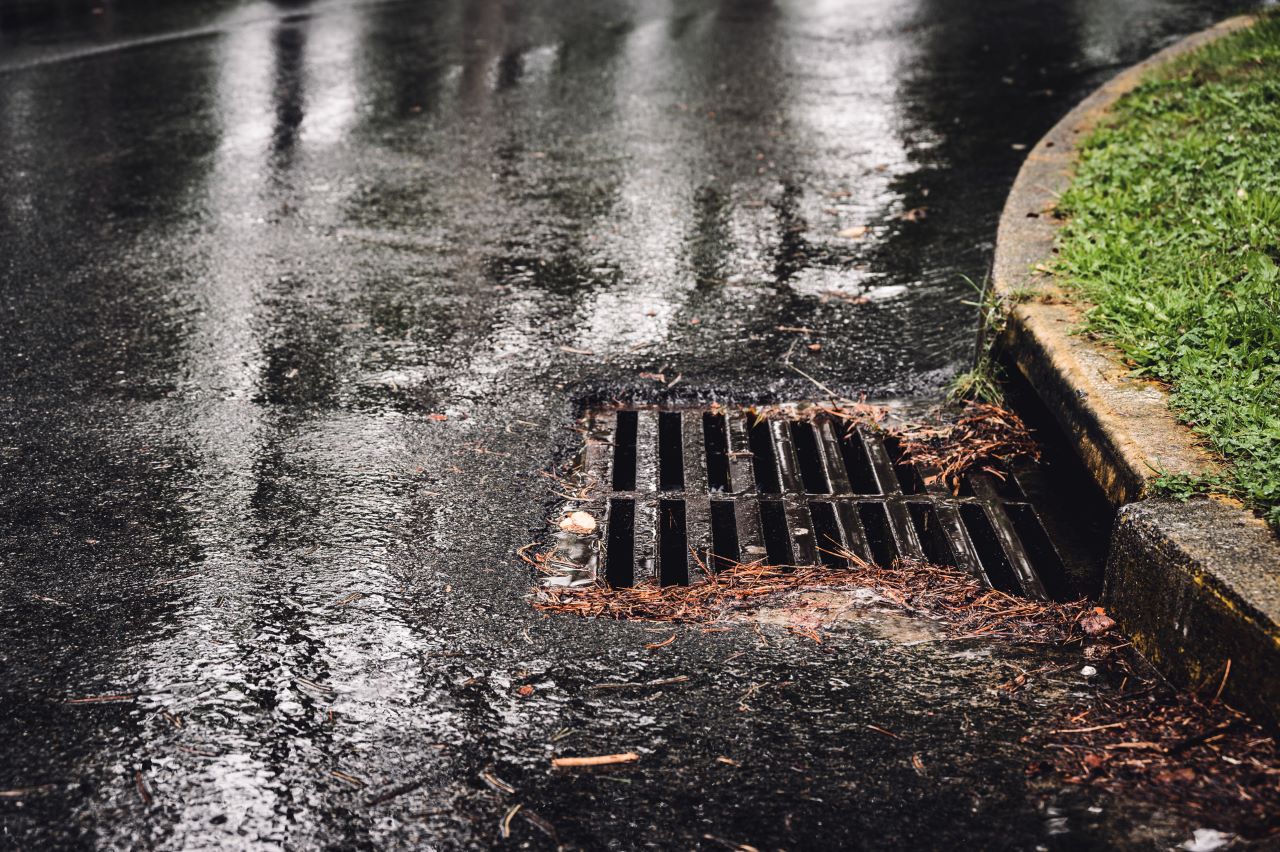
stormwater drainage grate during heavy rain

4. Stormwater management supports sustainable development

As New Zealand communities grow, stormwater management becomes increasingly important. New developments change the way water moves across land, and if that is not planned well, the result can be long term drainage, flooding and pollution problems.

Stormwater management supports sustainable development by making sure growth does not come at the expense of environmental health or community safety. It helps create urban areas that are more resilient and better able to cope with both everyday rainfall and larger weather events.

Why planning matters early

It is much easier to include stormwater solutions at the design stage than to fix problems after development is complete. Early planning allows drainage, landform and treatment systems to work together more effectively.

A smarter long term approach

Good stormwater planning is part of building towns and cities that function well over time. It helps reduce future costs, supports better land use and improves the long term performance of infrastructure.

5. Stormwater management creates economic benefits

Stormwater management also makes financial sense. Poor drainage and flooding can create major costs for councils, businesses and property owners. Repairs to buildings, roads, driveways and public infrastructure can be expensive, especially when damage happens more than once.

There are also indirect costs to consider. Flooded sites can disrupt business activity, reduce productivity and create long term maintenance issues. In contrast, good stormwater management can help avoid these problems and protect valuable assets.

Protecting property and infrastructure

When water is managed properly, roads, buildings and services are less likely to suffer repeated damage. This helps extend the life of infrastructure and reduce maintenance costs.

Reducing avoidable losses

Better stormwater systems can reduce the financial impact of flooding, erosion and contamination. That makes them an important investment, not just a compliance requirement.

Stormwater management in New Zealand

In New Zealand, stormwater management sits within a broader environmental and planning framework. Councils and developers are expected to consider how rainwater runoff will be managed and how waterways and surrounding environments will be protected.

A key principle is managing stormwater as close to the source as possible. Instead of allowing polluted runoff to travel unchecked through the system, the goal is to slow it, filter it or absorb it earlier. This approach is often more effective and leads to better long term results.

Final thoughts

Stormwater management matters because it protects water quality, reduces flood risk, supports the environment, enables better development and helps avoid major costs. In growing urban areas across New Zealand, these outcomes are becoming more important, not less.

When stormwater is managed well, communities are safer, infrastructure performs better and waterways are healthier. That is why stormwater management should be seen as an essential part of responsible planning and development, rather than just a drainage issue.

GET IN TOUCH

Fox Drainage provide residential and commercial drain laying throughout Auckland. Let us know how we can help.

0274 921 043

09 367 5077

info@foxdrainage.co.nz