5 Reasons You Need To Improve Your Landscape Drainage

For many property owners, the difference between a thriving asset and a maintenance nightmare comes down to one invisible factor: water management. While most people understand that gutters collect rain, few realise that Landscape Drainage is a sophisticated engineering discipline designed to manage sub-surface water levels and soil saturation.

In a city with high annual rainfall and often heavy, non-porous clay soils, a generic approach won’t suffice. You need a tailored drainage strategy that addresses both surface runoff and deep-soil moisture.

Mitigation of Hydrostatic Pressure and Foundation Failure

When water pools against your home’s foundation, it doesn’t just sit there; it creates hydrostatic pressure. This is the force exerted by stagnant water against a structure. Over time, this pressure can cause foundation walls to bow, basement floors to crack, and moisture to seep through concrete pores.

By installing a professional drainage solution for your Auckland property, such as a French drain or a perimeter “curtain” drain, you intercept this water before it reaches the slab. This keeps the soil density consistent, preventing the “heave and shrink” cycle that leads to catastrophic structural failure.

Preventing Soil Erosion and Nutrient Leaching

Uncontrolled surface water is a powerful erosive force. During heavy downpours, “sheet flow” can strip away expensive topsoil, expose delicate root systems, and carve unsightly “rills” or gullies into your lawn.

Furthermore, over-saturation leads to nutrient leaching, where essential minerals are washed deep into the subsoil beyond the reach of your plants. A strategic landscape drainage plan uses catch basins and swales to break the velocity of the water, directing it safely into the stormwater system without taking your garden’s health with it.

wet feet

Eliminating “Wet Feet” and Pathogenic Root Rot

Plants need oxygen as much as they need water. When soil becomes waterlogged, the air pockets between soil particles are filled with liquid, effectively “drowning” the plant. This condition, known as “wet feet,” is the primary precursor to Phytophthora (root rot), a fungal disease that can kill mature trees and hedges within a single season.

Expertly designed Drainage Auckland systems ensure that the water table remains below the critical root zone. This balance allows for deep root penetration and ensures your landscaping investment remains lush and vibrant, even after a typical Auckland winter.

Protecting Hardscape and Outdoor Living Assets

Retaining walls, pavers, and timber decking are all vulnerable to poor drainage. Water trapped behind a retaining wall increases the weight of the soil exponentially, often leading to wall failure or unsightly “efflorescence” (salt staining). Similarly, pavers bedded in waterlogged sand will shift, sink, or become uneven, creating significant trip hazards.

Integrating strip drains and sub-soil conduits ensures your hardscape remains dry and stable. This proactive maintenance extends the lifespan of your outdoor assets by decades, saving you the immense cost of reconstructive landscaping.

flooded garden

Managing Biohazards and Property Hygiene

Standing water is more than an inconvenience; it is a breeding ground for pests and pathogens. Stagnant pools can become nurseries for mosquitoes and midges within 48 hours. More dangerously, persistent dampness near the home can lead to rising damp and black mould (Stachybotrys) inside wall cavities.

By prioritising high-performance Drainage Auckland infrastructure, you are essentially “proofing” your home’s hygiene. A dry perimeter is the first line of defence against the internal moisture issues that plague many New Zealand homes.

The Professional Difference

At Fox Drainage, we don’t just dig trenches; we analyse the topography, soil composition, and rainfall data of your specific site to create a permanent solution. Whether you are dealing with a boggy backyard or need a complex commercial drainage plan, our certified drainlayers are here to help.

Technical Specifications: Choosing the Right Drainage Auckland Solution

Not all water problems are created equal. Depending on whether you are dealing with a sloping section, surface pooling or a high water table, a different engineering approach is required.

french drain in residential property

1. French Drains (Sub-Surface Drainage)

Best For: Saturated lawns, “spongy” ground, and retaining wall protection.

  • How it Works: A trench is dug and lined with geo-textile filter fabric. A perforated pipe is placed at the bottom, surrounded by clean drainage aggregate (gravel).
  • The Science: It relies on gravity. Water flows into the gravel-filled trench (the path of least resistance), enters the perforations in the pipe, and is carried away to a discharge point.
  • Auckland Tip: In heavy clay areas, using the correct grade of “scoria” or drainage metal is vital to prevent the system from silting up over time.

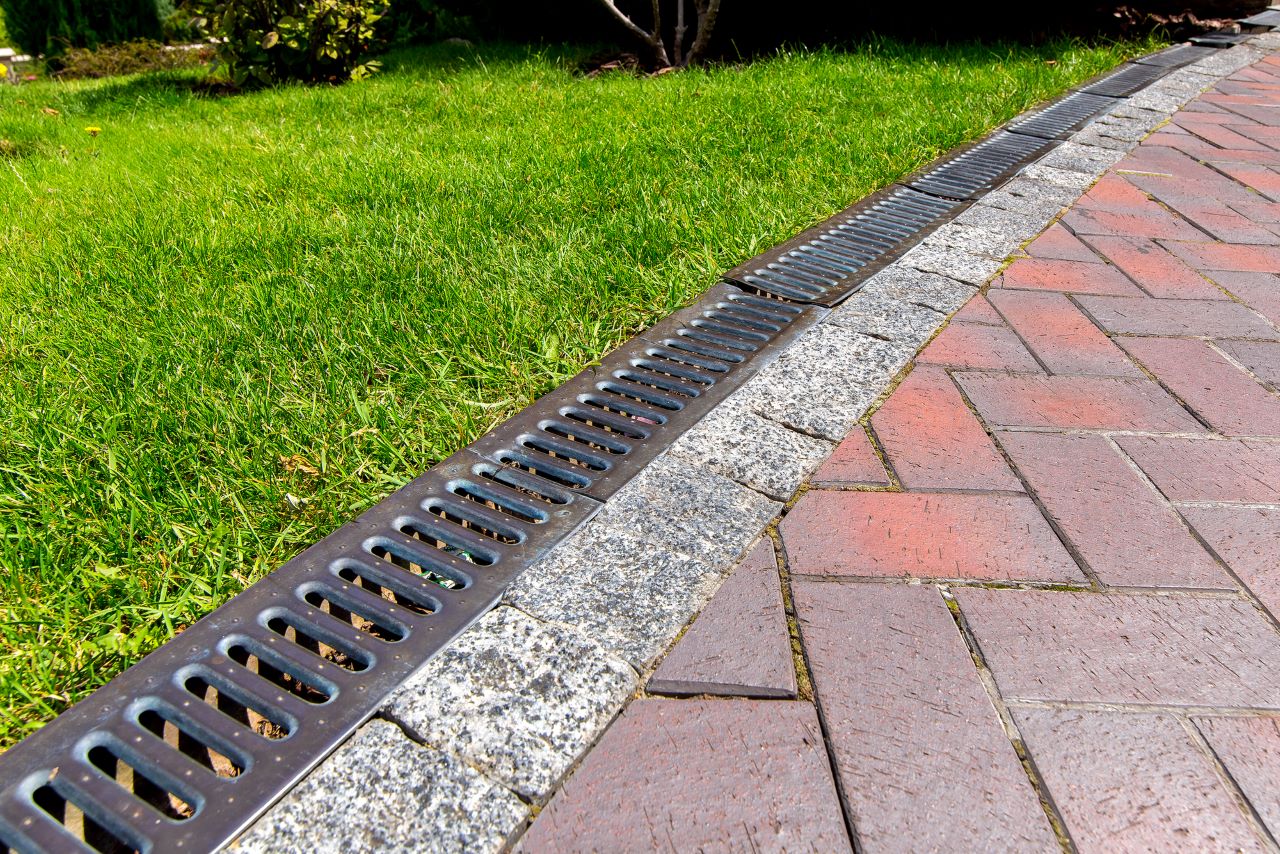
2. Trench or Strip Drains (Surface Drainage)

Best For: Driveways, patios, pool surrounds, and garage thresholds.

  • How it Works: A narrow, linear channel is installed flush with the hardscape surface, topped with a removable grate (plastic, galvanised steel, or stainless steel).
  • The Science: It acts as an “intercept line,” catching “sheet flow” (surface water) before it can enter a building or wash over a garden bed.
  • Auckland Tip: Ensure the grate is “Heelguard” certified if installed in areas with high foot traffic to prevent injuries.
strip drainage

3. Point Drains & Catch Basins

Best For: Low spots in the landscape where water naturally collects.

  • How it Works: A buried “box” with a grate on top. It connects directly to the underground PVC stormwater pipes.
  • The Science: Unlike a French drain, which collects water along its entire length, a catch basin is a concentrated collection point. It often includes a “sump” at the bottom to catch sediment and debris before they enter the main pipes.
  • Auckland Tip: Regular maintenance is key; clearing the leaf litter from these grates before the winter storm season prevents localised flooding.
  • 4. Swales (Naturalistic Drainage)

Best For: Large lifestyle blocks or properties where a “dry creek bed” aesthetic is desired.

  • How it Works: A wide, shallow depression in the land, often lined with rocks or water-loving plants.
  • The Science: Swales slow down the speed of water, allowing it to move across the property without causing erosion. They can be designed to lead water toward a formal Auckland Drainage outlet or a rain garden.
  • Need a Site Assessment?

Every property in Auckland has a unique “flow path.” A poorly installed drain can actually make problems worse by directing water toward a neighbour’s boundary or undermining your own foundations.

Fox Drainage provides expert consultations to determine the exact specification required for your land. We ensure all work complies with the New Zealand Building Code and local council requirements.

GET IN TOUCH

Fox Drainage provides commercial and residential drain laying throughout Auckland. Let us know how we can help. Contact our team now!

0274 921 043

09 367 5077

info@foxdrainage.co.nz